 Maria Duckhouse
You said yes to something you didn’t want to do. Again.
And now you’re stuck somewhere between resentment and exhaustion, wondering why your own needs always seem to come last. The thing is, you knew you wanted to say no. You felt it in your body the moment the request came through. But then the guilt started whispering, and before you could catch your breath, you heard yourself agreeing.
You’re not broken. You’re adaptive.
People-pleasing isn’t a character flaw, it’s a survival strategy that once kept you safe. Maybe it helped you belong. Maybe it smoothed over conflict. Maybe it was the only way you learned to be loved. But now? It’s costing you your energy, your time, and your creative voice.
Let’s talk about how to say no without the guilt hangover that follows.
Why Saying ‘No’ Feels Like Betrayal
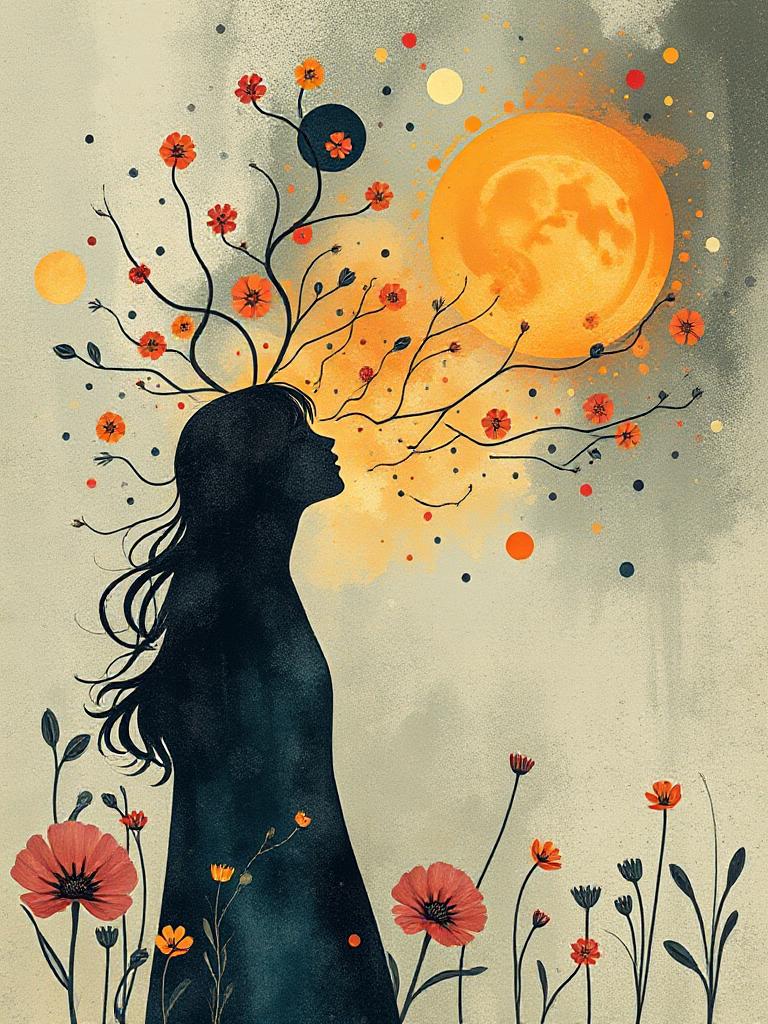
Here’s what nobody tells you: when you’ve spent years saying yes to keep the peace, your nervous system genuinely believes that ‘no’ is dangerous.
Every time you set a boundary, your body braces for rejection. Your brain floods with warnings. What if they’re angry? What if they don’t like me anymore? What if I’m selfish?
This isn’t weakness. This is your system trying to protect you based on old data.
The guilt you feel after saying no? That’s not proof you did something wrong. It’s just your body adjusting to a new pattern. It’s the emotional equivalent of muscle soreness after trying a new workout, uncomfortable, yes, but actually a sign of growth.
You’re allowed to feel the guilt and still hold your boundary.
The Difference Between Nice and Polite
There’s a version of you that’s been trained to be nice, to avoid hurting anyone’s feelings at all costs, even your own.
But what if you aimed for polite instead?
Nice says yes when you mean no, then resents the person for asking. Nice over-explains, over-apologizes, and ties itself in knots trying to make everyone comfortable.
Polite says no clearly and respectfully. Polite acknowledges the other person’s need while honoring your own. Polite doesn’t require you to disappear.
Here’s what polite sounds like:
- “I appreciate you thinking of me, but I can’t take that on right now.”
- “Thank you for the invitation, but it’s not a good fit for me.”
- “I’m not available, but I hope you find someone who is.”
Notice what’s missing? The apology. The elaborate justification. The self-abandonment.
You don’t owe anyone an explanation for protecting your peace.
Know Your ‘Yes’ Before You Say ‘No’
The clearest boundaries come from knowing what you’re actually saying yes to.
When you’re clear on your priorities, your creative projects, your rest, your values, other people’s requests stop feeling like emergencies. They become just… requests. Things you can consider and decline without drama.
Try this: Make a list of your non-negotiables right now. The things that matter most to you. Your quiet mornings. Your creative time. Your energy for your own dreams.
When a request comes in, measure it against that list. Does it align? Does it genuinely excite you? Or does it just feel like an obligation wrapped in guilt?
If it’s the latter, you already have your answer.

How to Actually Say ‘No’ (The Gentle Scripts)
Let’s get practical. Here are the ways to say no that feel grounded, not harsh:
The Direct No
“No, thank you.”
“I can’t do that.”
“It’s not going to work for me.”
That’s it. No is a complete sentence. You don’t need to soften it with “I really wish I could” or “I’m so sorry.” Those phrases invite negotiation.
The Deferred No
“Let me check my schedule and get back to you.”
“I need to think about it.”
This buys you time when you feel pressured. Just make sure you actually do get back to them with your answer.
The Alternative No
“I can’t commit to the whole project, but I could help with X instead.”
“I’m not free Saturday, but I could meet briefly on Tuesday.”
Use this only if you genuinely want to offer an alternative. Don’t create new obligations out of guilt.
The Soft No
“I’m already really stacked and need to protect my energy this week.”
“I have too much on my plate to give that the attention it deserves.”
Keep it brief. Three sentences maximum. Don’t create elaborate stories that people can problem-solve around.
What to Do When They Push Back
Here’s the truth: some people will push back when you start saying no. Especially if you have a history of always saying yes.
They’ll ask why. They’ll tell you it won’t take long. They’ll make you feel like you’re the only person who can help.
This is where you hold steady.
You don’t need to defend your decision. You don’t need to prove your no is valid. You simply repeat your boundary, calmly and kindly.
“I understand this is important to you, and my answer is still no.”
“I hear you, and I’m not able to help with this.”
The discomfort you feel in this moment? That’s just unfamiliarity. It’s not evidence that you’re doing something wrong. It’s evidence that you’re doing something different.
Each time you hold your ground, your capacity for boundary-setting grows stronger.
Practice Makes Possible

Start small. Practice saying no in low-stakes situations first.
Decline the sales pitch at the door. Turn down the coffee you don’t actually want. Say no to the optional meeting that drains you.
Let your nervous system learn that ‘no’ doesn’t lead to catastrophe. Let yourself experience the relief that comes after, the space, the breath, the energy you get back.
You’re not training yourself to be selfish. You’re training yourself to be honest.
And here’s what happens when you start saying no to what doesn’t serve you: you finally have room to say yes to what does.
You say yes to your creative projects. To rest. To the relationships that actually fill you up. To the version of yourself who knows her worth isn’t measured by how helpful she is.
The Permission You’ve Been Waiting For
You’re allowed to say no without guilt.
You’re allowed to protect your time and energy.
You’re allowed to disappoint people sometimes.
You’re allowed to choose yourself.
People-pleasing kept you safe once. But you don’t need that protection anymore. You’re strong enough to handle the discomfort of someone else’s disappointment. You’re worthy enough to claim your space.
The guilt will soften. The boundaries will feel easier. And the people who truly respect you? They’ll respect you more when they understand your value and know where your edges are.
You’re not being difficult. You’re being honest.
Ready to Unfold?
If you want to stop overthinking and start creating from a place of self-trust, this is exactly what we explore together inside my Unfold Sessions.
It’s a soft, 1:1 space for reflection and reconnection—a place to quiet the noise and hear your own voice again. We’ll look at what’s in the way of your expression and gently loosen its hold, so you can bring your vision to life in a way that feels grounded and completely yours.
You can read more about how it works here or, if you’re ready to dive in, you can book your Unfold Session here.
With much love,
Maria
www.mariaduckhouse.com | Instagram